
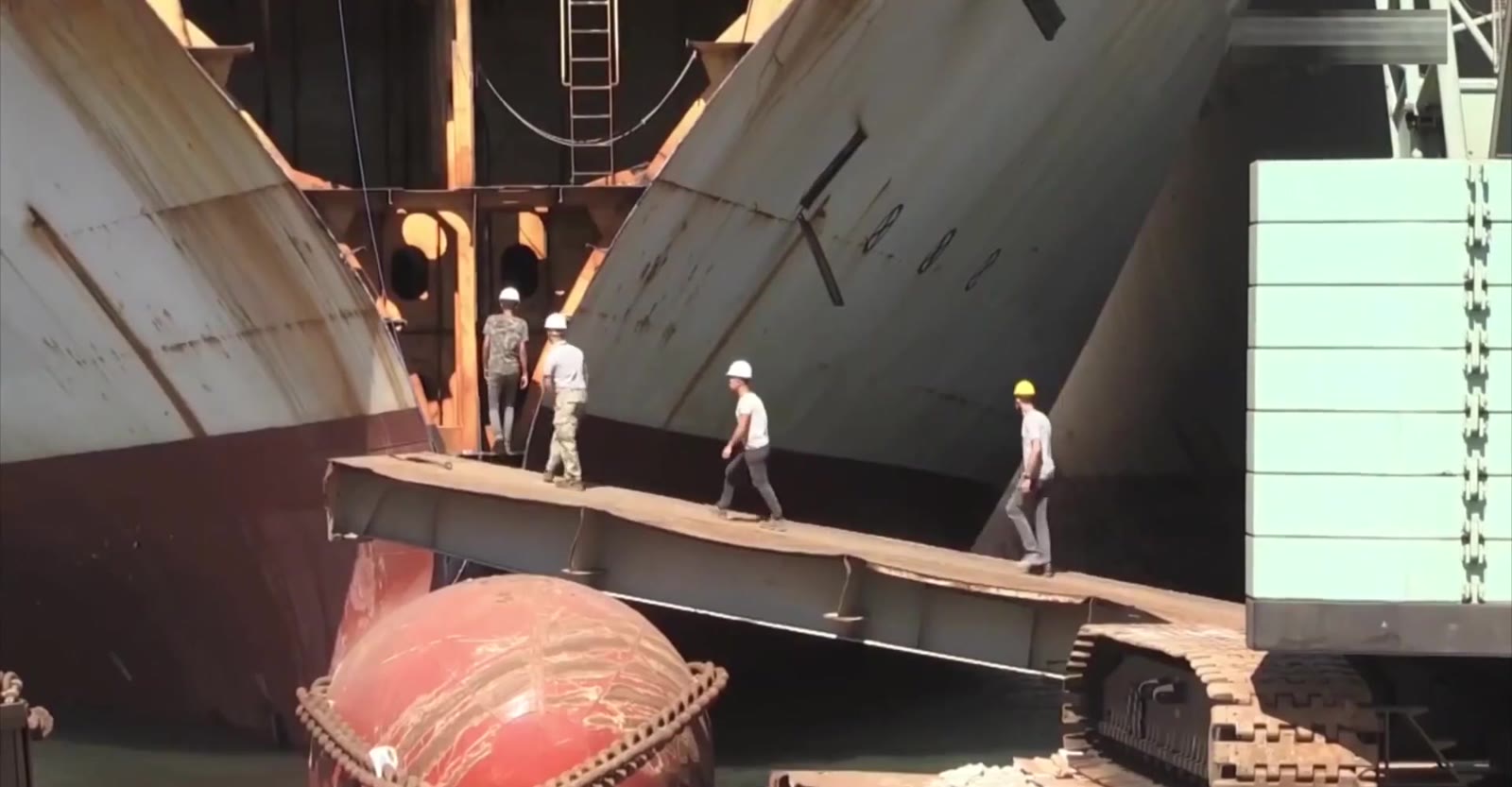
Complex work, handled carefully.
Recycling and dismantling vessels is a complex, environmentally sensitive process — it means working with fuels, oils and other hazardous substances at close range. Proper recycling and disposal keep environmental impact low and protect the people doing the work. ASB carries out all dismantling with a highly trained workforce, operating under green-recycling regulation from first cut to final sale.
Documentation and strict standard operating procedure aren't paperwork for its own sake — they're what keeps workers safe and the coastline protected, and they're audited as part of ASB's ISO 9001, ISO 14001 and ISO 45001 certification.
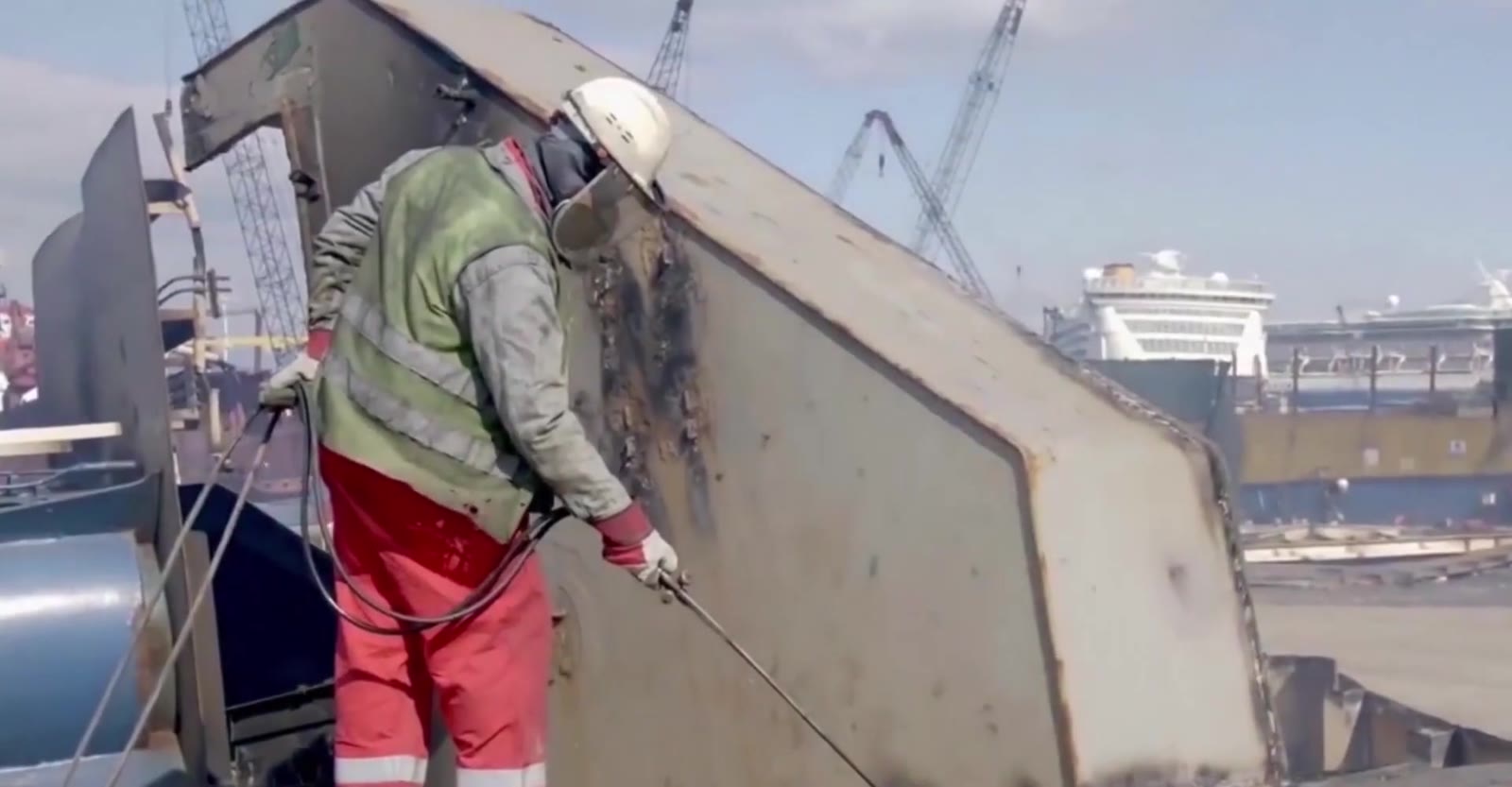
The ship decomposition process.
At ASB, our commitment to safety, health and environmental protection is unwavering. Every recycling job meets — and where possible exceeds — international standards, for a safer, cleaner, more sustainable outcome.
Decomposing of vessel
The ship decomposition process is carried out with precision and strict adherence to safety standards. ASB employs trained experts for this critical, high-risk task, sectioning the hull methodically rather than rushing the cut.
Oil & hazardous material removal
Before structural cutting proceeds, oil and other hazardous materials are safely removed and contained, preventing any potential harm to the surrounding environment or workforce.
Waste disposal
Ethical, safe disposal of waste is a top priority at every stage. ASB implements documented best practice throughout to minimise environmental impact.
End product segregation
Recyclable steel, machinery, furnishings and fittings are separated cleanly from waste material — the step that turns a decommissioned hull into usable stock.
Weighment & sales
Stock is accurately weighed and documented, and the sale of materials is conducted responsibly and in accordance with applicable regulation — full transparency, end to end.
Six things every project runs on.
Regulatory framework
Every project is scoped against applicable green-recycling regulation before work begins.
Documentation
Standard operating procedures are written down, followed, and kept on file for audit.
Monitoring programme
Ongoing checks track exposure, emissions and site conditions throughout a project.
Personal protective equipment
Helmets, harnesses and respirators are mandatory for every worker on a live cut.
Hazardous materials assessment
Every vessel is surveyed for oil, asbestos and residues before decomposition begins.
Surveillance
Site supervision runs continuously across every active plot at the yard.
Safety infrastructure, on the ground.
Photographs from Plots 17 & 18 at Gadani — marked walkways, PPE issue, hazardous-material units and controlled work areas.
Need our service?
Get in touch and our team will quote your vessel, facility or scrap purchase within one business day.